
Favorite Tools for Demolition Service Contractors
Identify the most popular and effective equipment choices that help contractors deliver quality demolition services.
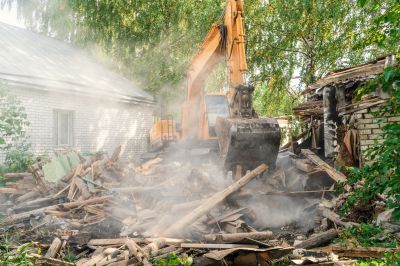 Demolition services in Huntington Station, NY, require a diverse range of tools and equipment to handle various projects effectively. From small-scale interior demolitions to large structural tear-downs, having the right products ensures safety, efficiency, and precision. Selecting appropriate demolition tools depends on the scope of work, material types, and site conditions. Proper equipment not only facilitates faster completion but also minimizes risks associated with debris management and structural stability.
Top Overall Option
Heavy-Duty Demolition Hammer
A versatile and powerful demolition hammer provides the ability to break through concrete, masonry, and other hard materials efficiently. Designed with durability and ergonomic handling in mind, it can adapt to various demolition tasks, making it a valuable addition to any professional toolkit. When selecting a demolition hammer, consider factors such as power output, vibration control, and ease of maintenance to ensure optimal performance across different projects.
Types of Products For Demolition Service
Sledgehammers
Traditional hand tools used for breaking up concrete, brick, and other materials, suitable for smaller demolition tasks.
Rotary Cutters
Power tools equipped with rotating blades designed to cut through metal, pipes, and thick materials.
Reciprocating Saws
Versatile saws ideal for cutting through wood, metal, and drywall in demolition projects.
Jackhammers
Pneumatic or electric tools used for breaking up concrete and asphalt efficiently.
Concrete Crushers
Heavy machinery attachments that crush concrete debris into manageable sizes for removal.
Dust Extraction Systems
Equipment designed to control dust and debris during demolition, improving site safety and cleanliness.
Demolition Buckets
Heavy-duty buckets attached to excavators for tearing down structures and removing debris.
Hydraulic Breakers
Hydraulically powered tools used to break through tough materials with high precision.
Debris Removal Dumpsters
Large containers for collecting and transporting demolition debris efficiently.
Industrial Vacuums
Powerful vacuums designed to clean up dust, small debris, and hazardous materials from work sites.
Scaffolding and Support Equipment
Structural supports to ensure safety and access during demolition projects.
Protective Gear
Safety equipment including helmets, gloves, eye protection, and respirators essential for worker safety.
Utility Knives
Hand tools useful for cutting drywall, insulation, and other materials during interior demolitions.
Wire and Pipe Cutters
Tools for safely cutting through electrical wiring and plumbing during structural removal.
Vibration Damping Mats
Equipment to reduce vibration impact on workers and structures during demolition work.
Laser Distance Measurers
Tools for precise measurements to plan demolition layouts accurately.
Portable Lighting
Lighting solutions to ensure visibility in poorly lit or enclosed demolition sites.
Popular Choices
Widely used for their portability and ease of use in various demolition scenarios.
Commonly selected for their versatility in cutting through different materials.
Popular for manual demolition tasks requiring significant force.
Attach to excavators for efficient concrete breaking and removal.
Trending for improving air quality during demolition work.
Favored for their power and precision in breaking tough materials.
Useful for quick debris disposal from higher levels.
Essential for working safely in low-light conditions.
Popular protective gear for head and face safety.
Commonly used for their balance of power and portability.
Frequently used for debris transport on-site.
Always in demand for hand protection during demolition tasks.
Important for providing power in remote or enclosed sites.
Popular for ensuring workers are visible on busy sites.
Commonly used for prying and removing fixtures or panels.
Essential for powering portable equipment across large sites.
Trending for reducing fatigue and vibration impact.
In any demolition project, safety is paramount. Using durable protective gear such as helmets, gloves, and eye protection is essential for worker safety. Heavy-duty tools like sledgehammers and jackhammers are often employed for breaking through concrete, brick, and other tough materials. For more delicate or detailed work, specialized tools like rotary cutters or reciprocating saws can be invaluable. Additionally, equipment for debris removal, such as wheelbarrows, dumpsters, and industrial vacuums, helps maintain a clean and safe work environment.
Understanding the specific requirements of each project can guide the selection of appropriate products. For example, demolition of a basement wall might require different tools than tearing down an entire building. Proper planning and choosing the right equipment can also reduce labor time and improve overall safety protocols. Whether working on residential, commercial, or industrial sites in Huntington Station, having a comprehensive set of demolition products is crucial for successful project completion.
Key Buying Considerations
- Assess the scale and scope of your demolition project to determine necessary equipment size and power.
- Prioritize safety features such as vibration control, ergonomic design, and protective gear compatibility.
- Consider the material types involved, such as concrete, metal, or drywall, to select appropriate tools.
- Evaluate the ease of maintenance and availability of replacement parts for the equipment.
- Determine whether electric, pneumatic, or hydraulic tools best suit your work environment and power sources.
- Look for equipment with adjustable settings to handle different material densities and demolition tasks.
- Ensure the availability of debris management solutions like dumpsters or chutes to streamline cleanup.
- Factor in site accessibility and space constraints when choosing portable or compact equipment.
- Review user feedback and product specifications to gauge durability and performance reliability.
- Consider the total cost of ownership, including purchase price, maintenance, and replacement parts.
- Check for compatibility with existing tools or attachments to maximize versatility.
- Prioritize safety certifications and compliance with local regulations for demolition equipment.
- Evaluate the need for noise reduction features if working in sensitive environments.
- Determine if additional accessories, such as blades or bits, are needed for specific tasks.
- Plan for proper storage and transportation solutions to protect equipment when not in use.